Intro
I started diving into n8n with a simple goal: automate the small, repetitive things I deal with every day.
What I ended up building was way more than that.
n8n became my event-driven orchestration layer. Instead of running scripts on a schedule, I connect systems so they react instantly when something happens. Over the last few months, I’ve gone from just experimenting to building workflows I actually rely on.
Understanding Event-Driven Automation
Before n8n, I understood the pieces. APIs, webhooks, a bit of JavaScript. I had used them, tested them, but never really tied everything together into full pipelines.
That’s kind of the life of a network engineer. You touch everything, but rarely own the full system end-to-end.
n8n changed that.
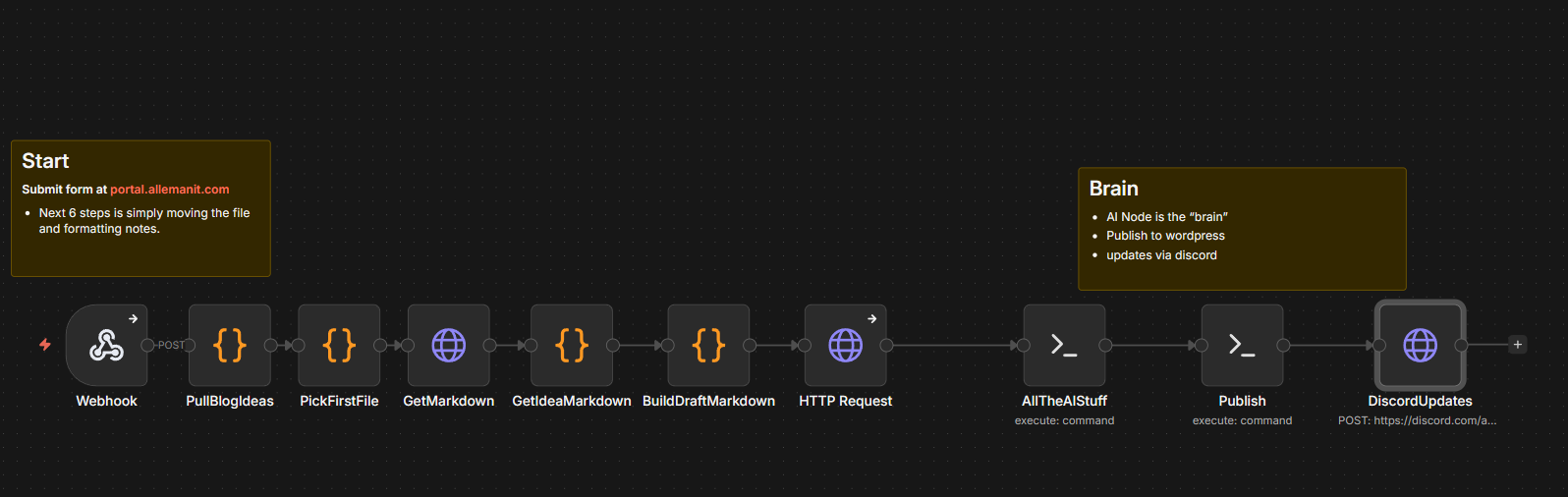
Instead of thinking in scripts or one-off tools, you start thinking in flows:
- Something happens
- Data gets processed
- Decisions get made
- Actions are triggered
All in one place, visually.
My First Real Automation: Meraki API
Modern networks are software platforms. So I started where I’m most comfortable: Meraki’s Dashboard API
My early workflow looked like this:
- Use Postman to explore and validate API calls
- Build Python scripts for repeatability
- Trigger those scripts through n8n workflows
What that turned into:
- Provisioning dozens of networks in minutes
- Automatically claiming and configuring devices
- Setting VLANs and IP addressing programmatically
- Logging results and sending notifications to Discord
This was the first moment where it clicked:
👉 This is not scripting anymore. This is orchestration.
Building Real Workflows
Once I had the basics down, I started building more creative flows.
One of my earliest projects:
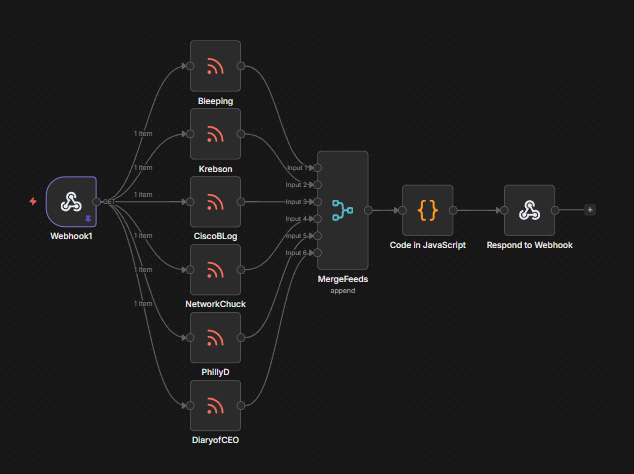
- Pull RSS feeds
- Clean and format content
- Evaluate it
- Post results to Discord
Simple idea. But it opened the door to something bigger.
Adding AI into the Mix
From there, I started layering in AI using n8n’s OpenAI nodes.
Not in a hype way, but in a practical way:
- Formatting content in my tone
- Summarizing information
- Storing memory of past results
- Generating structured outputs (emails, posts, logs)
Now workflows don’t just move data. They understand it.
Real Workflows I Run Today
Here’s a snapshot of what I’m running right now:
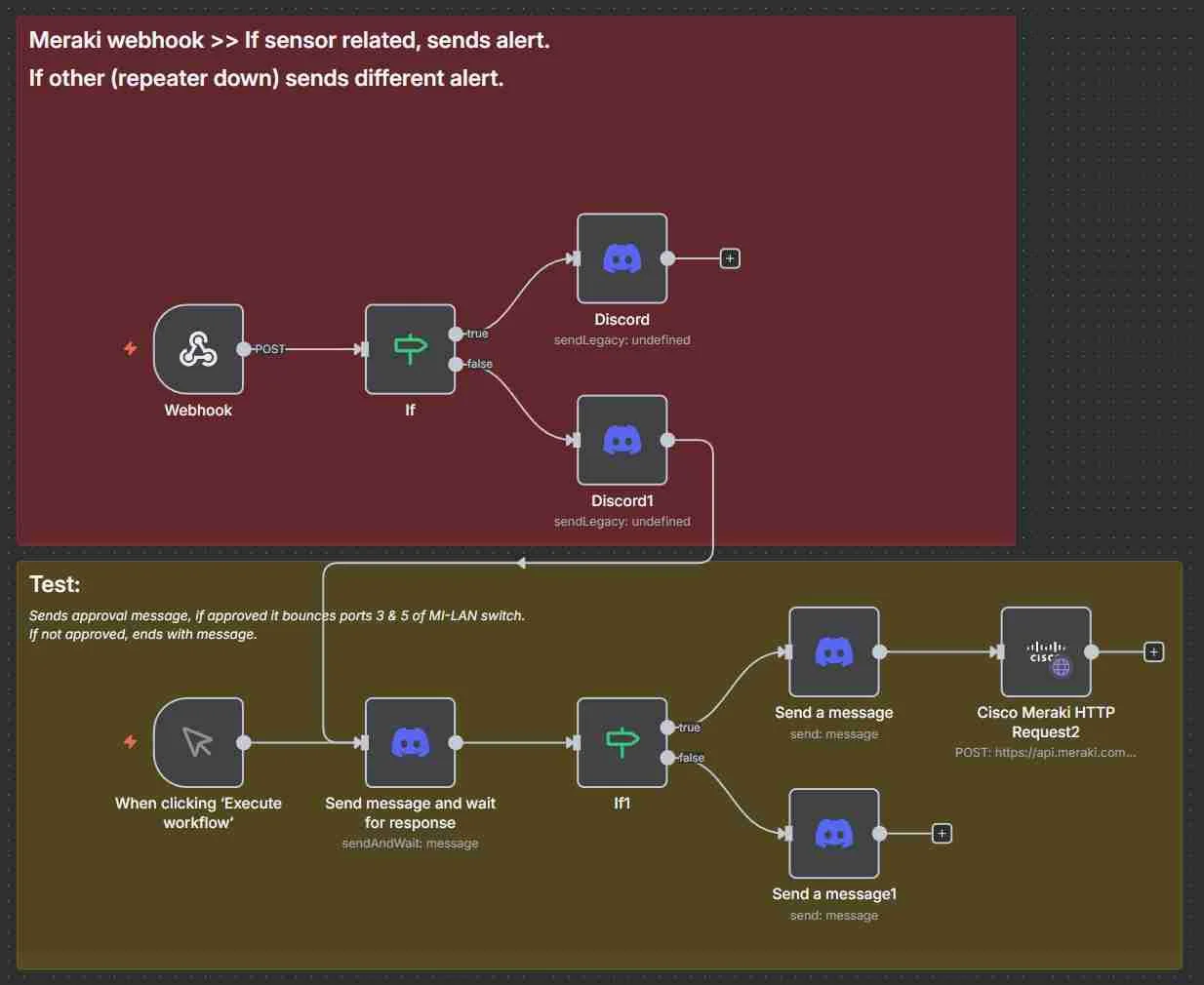
- 📡 Meraki alerts → Discord → approve action → auto remediation
- 🌡️ Air sensor alerts → trigger smart thermostat changes
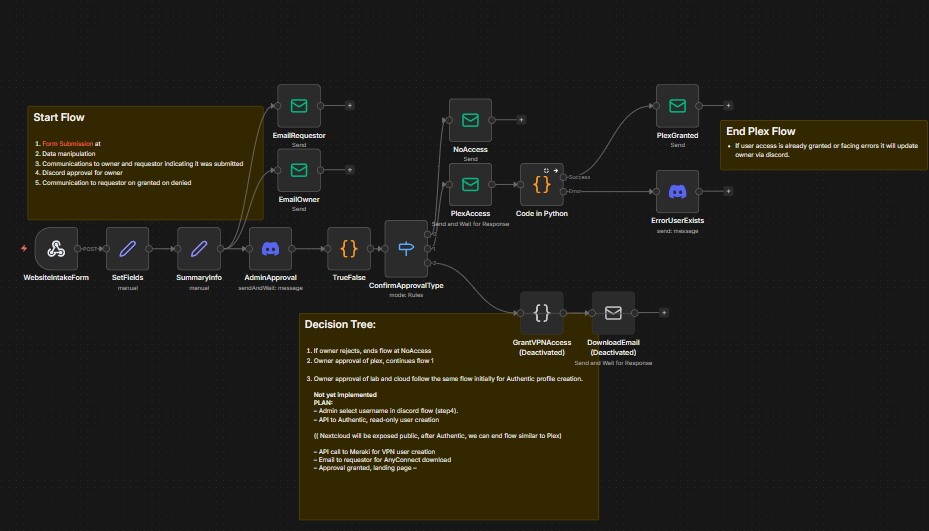
- 🎬 Plex onboarding flow for media requests
- 📰 RSS aggregation → cleaned + posted feeds
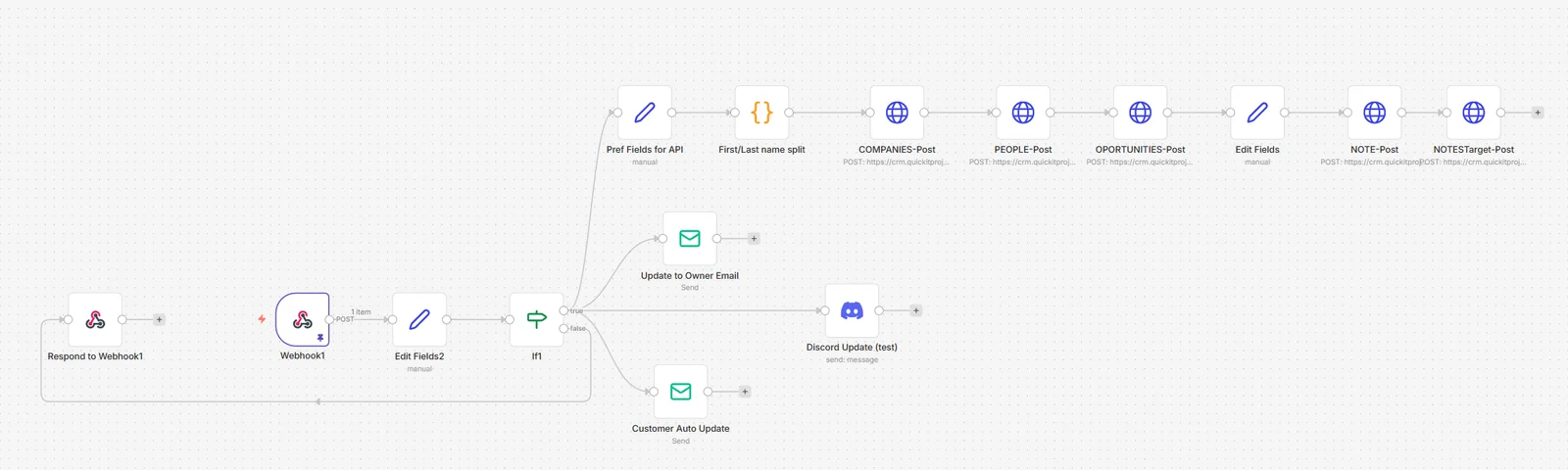
- 📩 Contact forms → email + logging + automation follow-up
Each one started small. Each one evolved into something more useful.
Why n8n Works So Well
The biggest strength of n8n is how modular it is.
Each node does one thing:
- Transform
- Filter
- Decide
- Trigger
You chain them together, and suddenly you have systems reacting in real time.
No massive codebase. No overengineering. Just logic.
Testing Network Automations at Home
My home lab is basically a playground for this.
Full Meraki stack, APIs wired into n8n locally and public hosted, then everything tied together.
One of my favorite workflows:
- Access point goes offline
- Webhook triggers n8n
- Discord message asks if I want to take action
- I reply “yes”
- Switch port gets cycled automatically
That used to be manual troubleshooting.
Now it’s a button.
Getting Started
If you want to try n8n, start simple.
Don’t overthink it.
Pick one annoying thing you do repeatedly and automate it:
- A webhook
- A notification
- A small API call
That’s how all of this started.